Adults

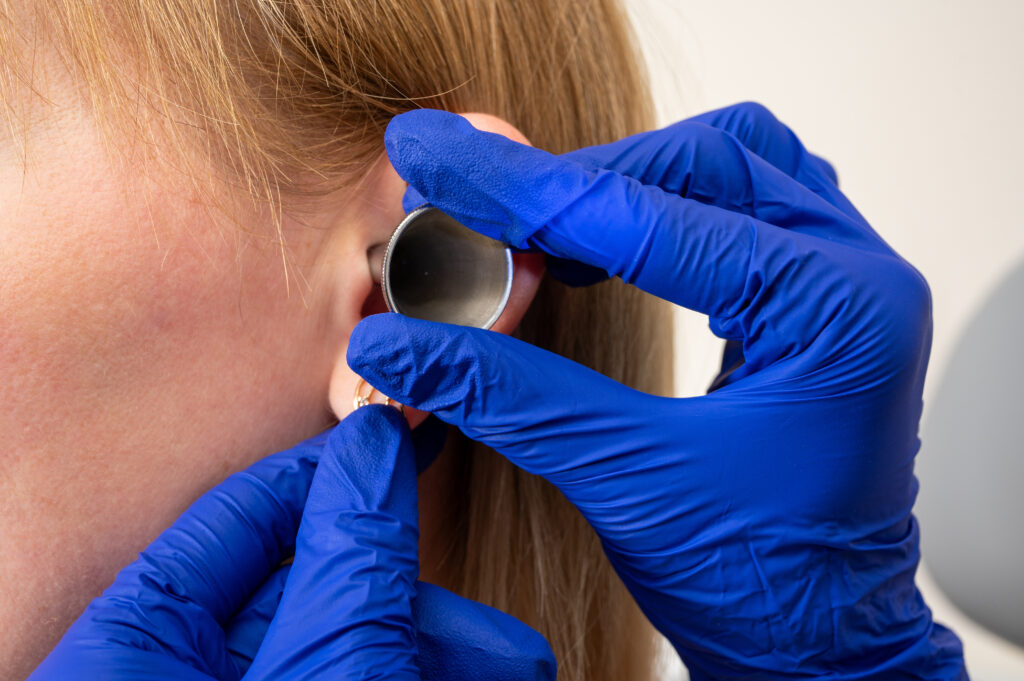
Otorhinolaryngology

Main indications for an otolaryngologist examination:

-frequent sore throats
-bad breath
-inflammatory diseases of the tongue
-changes in the mucous membrane in the oral cavity
-diseases of the salivary glands
-frequent ear infections
-impaired hearing
-difficulty breathing through the nose
-allergic rhinitis (runny nose, sneezing)
-changes in the sense of smell and taste
-nosebleeds
-inflammation of the paranasal cavities
-long-term cough
-hoarseness
-pain and swelling in the head and neck
-inflammatory changes in the skin in the head and neck
-headache
-laryngopharyngeal reflux
-facial nerve paresis

Nutritionism

Nutrition, indications for adult examination:

-preparation of healthy and tasty meals
-eating disorders (obesity, anorexia, bulimia)
-allergy or intolerance to food
-digestive disorders
-special nutritional needs in adults (athletes, people with chronic diseases)
-nutrition during pregnancy and breastfeeding
-nutrition during perimenopause/menopause

Speech Therapy

-articulation disorders
-speech prosody and communication skills
- speech fluency
- aphasia
- dysphonia
- stimulation of the speech apparatus musculature

Psychology

Main indications for seeing a psychologist

- long-term stress or feelings of exhaustion
- anxiety, tension, panic attacks
- feelings of sadness, listlessness or suspicion of depressive symptoms
- difficulty sleeping (insomnia, restlessness)
- adjustment to chronic illnesses, injuries or health changes
- coping with chronic pain
- emotional difficulties related to oncological care or other serious illnesses
- relationship problems (partner, family, business)
- challenges in dealing with loss, divorce or life crises
- feelings of low self-esteem or worthlessness
- difficulties in regulating emotions (irritability, sudden mood swings)
- recognition and changing dysfunctional patterns of thinking and behavior
- need for psychodiagnostic assessment (emotional state, personality traits, cognitive abilities)
- need for support in the rehabilitation and recovery process
- challenges in adhering to medical therapy, adopting healthier habits
- processing trauma and difficult life experiences
- desire for personal growth, better understanding of oneself and development of potential