Children and Adolescents

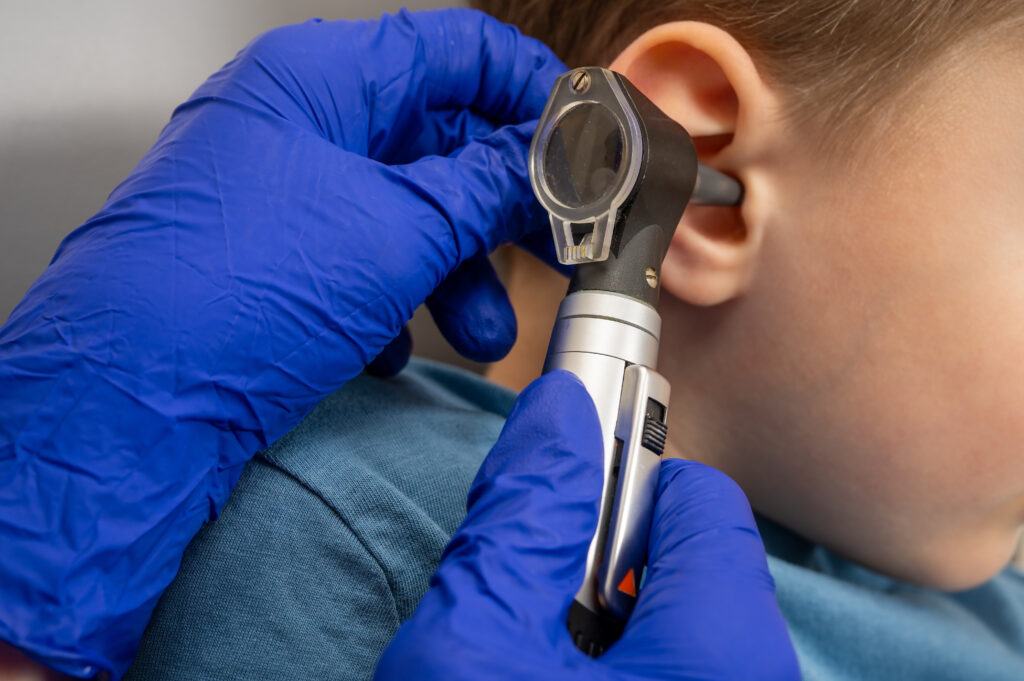
Otorhinolaryngology

Main indications for an otolaryngologist examination

-frequent sore throats
-bad breath
-frequent ear infections
-impaired hearing
-difficulty breathing through the nose
-allergic rhinitis (runny nose, sneezing)
-nosebleeds
-inflammation of the paranasal sinuses
-long-term cough
-hoarseness
-pain and swelling in the head and neck
-headache
-difficulty pronouncing sounds
-congenital and/or acquired deformities of the head and neck
-skin changes in the head and neck
-laryngopharyngeal reflux

General Pediatrics

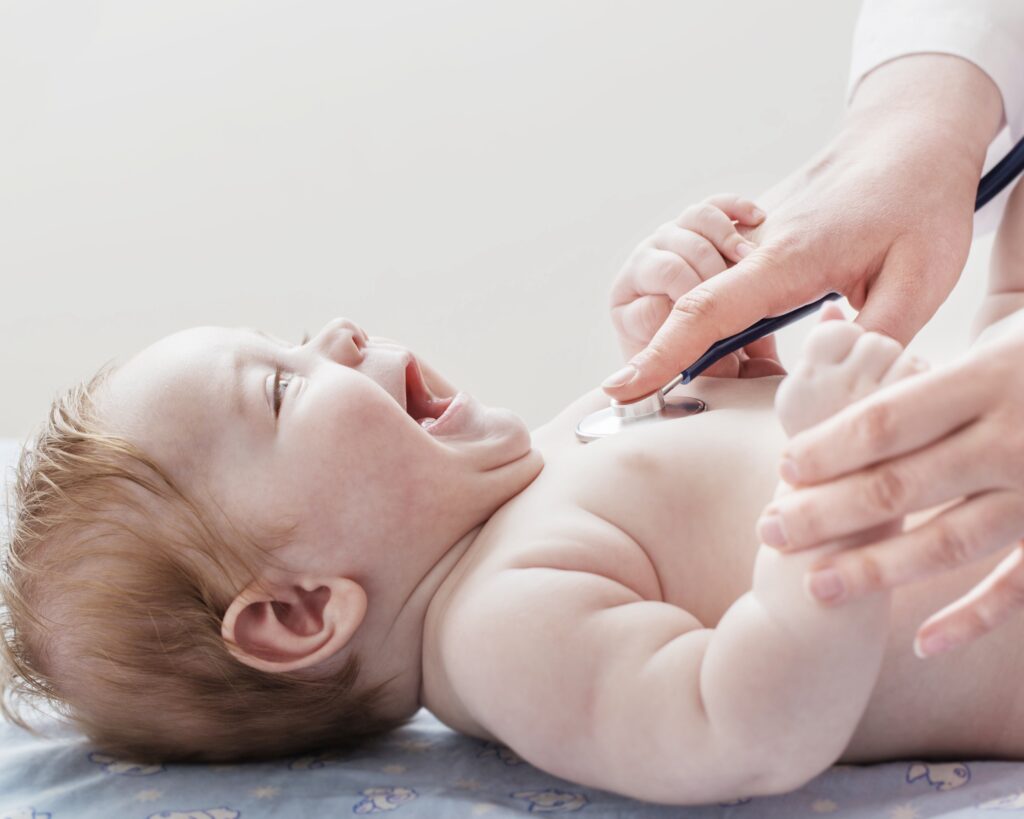
General pediatric examination:

-initial examination, diagnosis and treatment of a sick child
-control examination
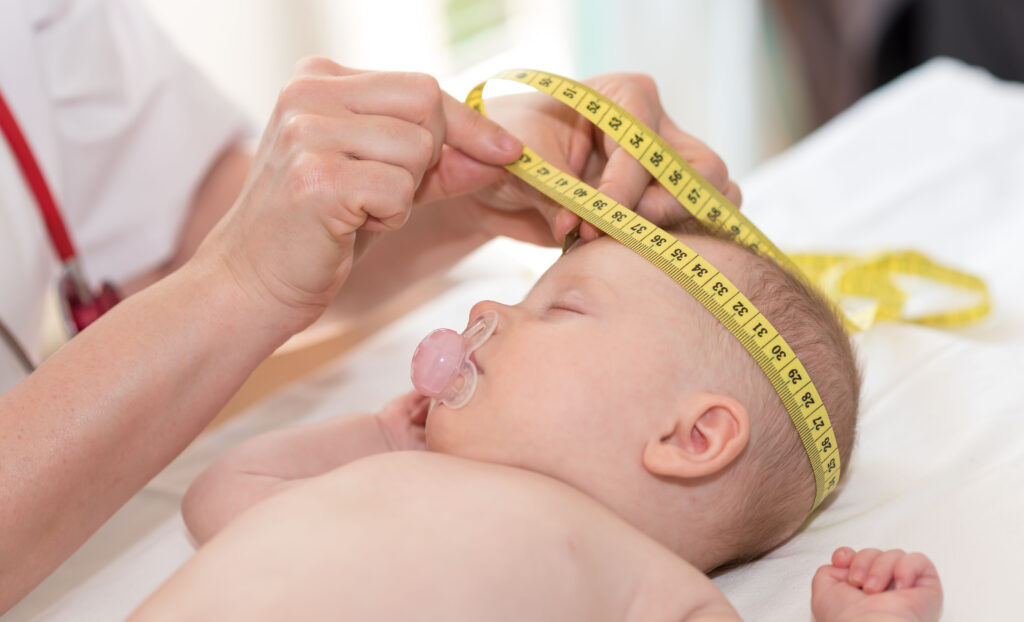
-systematic examination of a healthy child
-vaccination and booster vaccination
-counseling of parents

Speech Therapy

Main indications for a speech therapist's examination:

-absence of the first social contacts in a young child (looking, smiling, babbling)
-repetitive patterns of behavior
-delay in language and speech development
-slowed language and speech development
-communication disorders
-difficulties in producing and understanding language
-difficulties in pronouncing sounds
-difficulties in acquiring pre-reading and pre-mathematical skills
-difficulties in reading and writing
-difficulties in calculating
-difficulties in listening
-hoarseness

Pediatric Allergology and Clinical Immunology

The main indications for examination by a pediatric allergist and clinical immunologist:

-frequent infections of the upper and lower respiratory tract
-inflammation of the paranasal sinuses
-allergic rhinitis
-chronic laryngitis / tracheitis
-acute and chronic bronchitis
-acute bronchiolitis
-long-term cough
-asthma
-atopic and contact dermatitis
-acute and chronic urticaria
-food hypersensitivity
-drug allergy
-anaphylaxis
-gastroesophageal reflux
-immune disorders in pulmonary patients
-prolonged fever

Pediatric Gastroenterology

Main indications for a pediatric gastroenterologist examination:

-abdominal pain
-bowel emptying disorders
-bowel function disorders
-gastroesophageal reflux
-feeding disorders
-recurrent vomiting
-recurrent diarrhea
-inflammatory bowel diseases
-malabsorption disorders
-allergies and food intolerance
-celiac disease
-diseases of the liver, gallbladder, biliary tract
-diseases of the pancreas

Pediatric Neurology

Main indications for a neuropediatrician examination:

-assessment of neurological development of newborns, infants and children
-examination of children with neurorisk factors
-headache
-syncope (loss of consciousness)
-dizziness
-speech and communication developmental difficulties
-learning difficulties
-ADHD (attention deficit hyperactivity disorder)
-hypotonia and neuromuscular diseases
-cerebral palsy
-sleep disorders
-convulsive and non-convulsive seizures

Nutrition

Main indications for a nutritionist's examination:

-preparation of healthy and tasty meals
-eating disorders (obesity, anorexia, bulimia)
-allergies or food intolerances
-digestive disorders
-special nutritional needs in children (athletes, children with chronic diseases)

Pediatric Dermatology

Main indications for examination by a pediatric dermatology specialist:

-skin changes in newborns
-inflammatory skin diseases
- impetigo, fungal and viral infections
-acne
-atopic dermatitis
-contact dermatitis
-psoriasis
-acute and chronic urticaria
-hereditary skin diseases
-diseases of the external genitalia
-birthmarks and congenital nevi

Educational Rehabilitation

Main indications for examination by an educational rehabilitator:

- difficulties in regulating behavior
- difficulties in communication and language development
- difficulties with attention and/or concentration
- difficulties in acquiring new skills
- present inappropriate behavior in social situations
- difficulties in fine and gross motor skills
- present atypical interests, repetitive patterns in play

Adolescent psychology

Main indications for seeing a psychologist

- long-term stress or feelings of exhaustion
- anxiety, tension, panic attacks
- feelings of sadness, listlessness or suspicion of depressive symptoms
- difficulty sleeping (insomnia, restlessness)
- adjustment to chronic illnesses, injuries or health changes
- coping with chronic pain
- emotional difficulties related to oncological care or other serious illnesses
- problems in family relationships
- challenges in coping with loss and life crises
- feelings of low self-esteem or worthlessness
- difficulties in regulating emotions (irritability, sudden mood swings)
- recognition and changing dysfunctional patterns of thought and behavior
- need for psychodiagnostic assessment (emotional state, personality traits, cognitive abilities)
- need for support in the process rehabilitation and recovery
- challenges in adhering to medical therapy, adopting healthier habits
- processing trauma and difficult life experiences
- desire for personal growth, better understanding of oneself and development of potential